If you've landed here looking for a Tatcha Camellia oil postpartum melasma routine, you're likely juggling hormonal pigmentation, postpartum dryness, and a baby who never sleeps. Tatcha's Pure One Step Camellia Cleansing Oil is a featherweight, single-ingredient-forward oil that melts mineral SPF (the kind dermatologists urge melasma patients to wear daily) without scrubbing, exfoliating, or exposing your barrier to fragrance allergens. Pair it with a fragrance-free balm for makeup-heavy nights, and you've built a low-irritation cleanse that supports pigment treatment instead of fighting it. Below, the exact products, routine, and pitfalls to avoid in 2026.
Why Postpartum Melasma Demands a Gentler First Cleanse
Melasma triggered by pregnancy (clinicians call it chloasma, or the mask of pregnancy) doesn't always fade after delivery. Estrogen and progesterone drops, breastfeeding hormones, sleep deprivation, and rebound inflammation can keep pigment-producing melanocytes hyperactive for months — sometimes years. That puts a new mother in an awkward bind: she needs daily broad-spectrum SPF and often a pigmentation treatment (azelaic acid, tranexamic acid, hydroquinone, or low-strength retinoids that are breastfeeding-compatible), but every one of those actives can leave skin reactive, raw, and intolerant of foaming surfactants.
This is where camellia oil earns its place. Camellia japonica seed oil is high in oleic acid, vitamin E, and squalane-adjacent emollients that mimic the lipids in healthy sebum. It glides over mineral and chemical SPF, lifts mascara, and rinses cleanly when emulsified with warm water — no tugging at the cheekbones, no foaming sulfates, no need for cotton pads soaked in eye-makeup remover. Repeated friction is a known melasma aggravator, which is why dermatologists frequently recommend swapping cleansing wipes and washcloths for an oil-based first step.
Why the Tatcha Pure One Step Camellia Oil Specifically
The reformulated 2026 Pure One Step Camellia is fragrance-modest, paraben-free, and engineered to emulsify into a milky lather without leaving a heavy residue. It's effectively a geisha cleansing oil — a callback to the ritual originally used to remove white camellia-based stage makeup without damaging delicate skin. For postpartum users, three things matter: it does not require a washcloth, it does not contain essential oils that commonly flare melasma-prone skin (no citrus, lavender, or bergamot), and it removes the dense mineral sunscreens (often zinc-heavy and water-resistant) that pigment specialists prescribe.
If you'd like a deeper look at the ingredient list and how it stacks up against drugstore options, our full Tatcha Camellia cleansing oil review covers texture, scent, and value per ounce.
Comparison: Best Cleansers to Pair with a Postpartum Melasma Routine
| Product | Format | Fragrance | Key Soothing/Repair Actives | Best For |
|---|---|---|---|---|
| Tatcha Pure One Step Camellia | Oil-to-milk | Light, subtle | Camellia, rice, algae | Daily mineral SPF removal |
| Tatcha Indigo Cleansing Balm | Balm-to-oil | Fragrance-free | Indigo, colloidal oat-like soothers | Reactive, eczema-prone postpartum skin |
| Murad Lipid-Enriched Balm | Balm-to-oil | Light | Ceramides + camellia oil | Long-wear makeup + barrier repair |
| CeraVe Cleansing Balm | Balm-to-oil | Fragrance-free | Ceramides, jojoba | Budget-conscious nursing moms |
| Augustinus Bader Cleansing Balm | Balm | Light | TFC8 complex, squalane | Splurge-worthy luxury restoration |
Top Product Picks for a Postpartum Melasma Cleanse
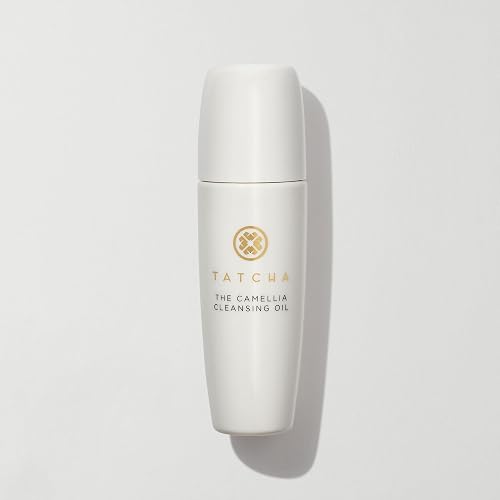
1. Tatcha Pure One Step Camellia Cleansing Oil (Hero Pick)
This is the cornerstone of the routine. The oil is whisper-light, the bottle has a generous pump (5.1 fl oz lasts roughly four to five months at one pump per night), and it removes zinc-based sunscreen in a single pass. Postpartum users consistently note that it doesn't sting around the eyes — a meaningful detail when you're operating on three hours of sleep and your eyes are perpetually puffy. Massage one pump onto dry skin for 30 seconds, add a splash of lukewarm water to emulsify, and rinse. No washcloth, no double cleanse needed unless you've layered heavy waterproof makeup.
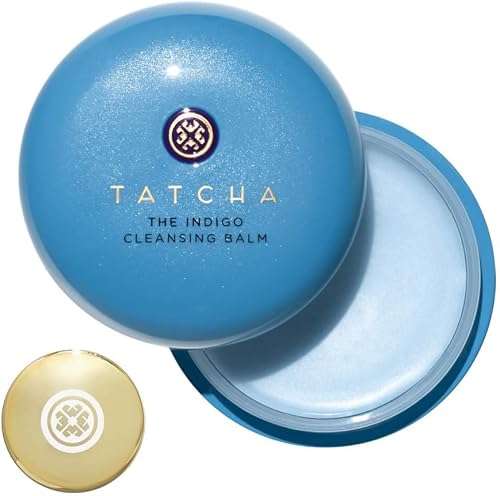
2. Tatcha The Indigo Cleansing Balm — For Truly Reactive Skin
If your postpartum skin has shifted into eczema, perioral dermatitis, or wildly reactive territory, the Indigo Balm is the better Tatcha pick. It's officially fragrance-free, infused with Japanese indigo (a traditional ingredient used for irritation), and melts into a buttery oil that doesn't pill over barrier-repair serums. Use it on heavier-makeup nights as a first cleanse; follow with the Camellia oil only if needed.
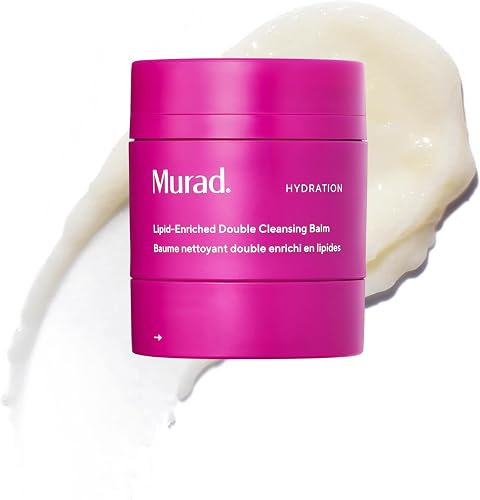
3. Murad Lipid-Enriched Double Cleansing Balm — Camellia + Ceramides
For those who want the camellia oil benefit in a balm format, Murad's offering combines camellia oil with three barrier-repair ceramides and squalane. It melts long-wear foundation effortlessly and rinses without residue. A solid choice if you're dealing with both melasma and the postpartum-dryness double whammy that often arrives in months four to six, when prolactin levels and reduced estrogen leave skin parched.
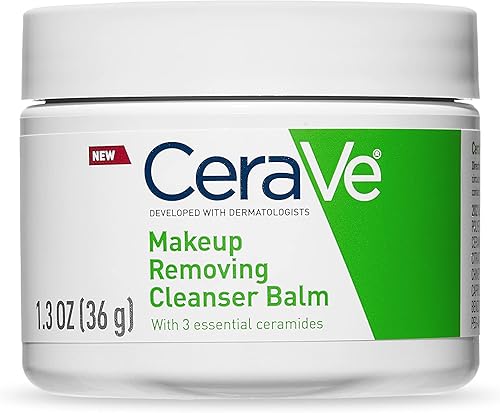
4. CeraVe Cleansing Balm — The Budget Backup
Maternity leave is expensive. The CeraVe Cleansing Balm offers three essential ceramides, hyaluronic acid, jojoba oil, and a non-comedogenic, fragrance-free formula at a fraction of luxury pricing. It's not as elegant or as fast-emulsifying as the Tatcha, but it's a defensible everyday choice for the diaper-bag side pouch when you're traveling to see family and can't risk leaking a glass bottle.
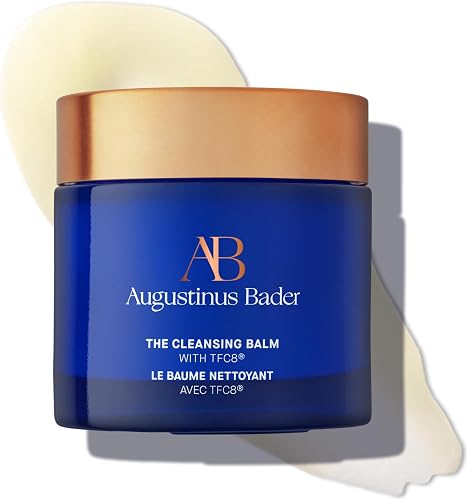
5. Augustinus Bader The Cleansing Balm — The Restorative Splurge
If you have the budget for one truly indulgent step, Bader's cleansing balm includes the brand's TFC8 complex marketed for cellular renewal, plus a blend of squalane and plant butters. Postpartum users who use this nightly report softer, more cushioned skin within two weeks. It's not melasma-specific, but the gentle, fragrance-modest cleanse pairs beautifully with a tranexamic acid serum.
The Routine: AM and PM for Postpartum Melasma
Morning
- Splash with cool water only (no balm needed in the morning unless you slept in residual product).
- Apply a vitamin C serum (L-ascorbic acid 10–15%) or azelaic acid 10%.
- Layer a fragrance-free ceramide moisturizer.
- Mineral sunscreen, SPF 50+, with iron oxides if you have visible pigment. Iron oxides block visible light — the wavelength most current research fingers as the chief melasma instigator.
Evening
- First cleanse with Tatcha Pure One Step Camellia (or Indigo Balm if your skin is flaring) directly onto dry skin. Massage for 45 seconds.
- Emulsify with lukewarm water and rinse thoroughly.
- Optional second cleanse with a low-pH, non-foaming gel only if you wore heavy or waterproof makeup.
- Pat dry — do not rub the towel against pigmented areas.
- Apply your prescribed melasma treatment (tranexamic acid serum, azelaic acid, or low-dose retinoid as cleared by your dermatologist and lactation consultant).
- Seal with a ceramide moisturizer.
For a deeper walk-through of when and how to layer oil cleansers with active treatments, see our full guide to using oil cleansers.
Postpartum Melasma Cleansing Mistakes to Avoid
- Over-exfoliating in panic. The instinct is to scrub at the pigment. Don't. Mechanical exfoliation and aggressive acids worsen melasma by triggering post-inflammatory hyperpigmentation on top of the existing lesion.
- Using a washcloth or muslin cloth daily. Even soft-feeling cloths create friction along the cheekbones — exactly where melasma camps out. The whole point of an oil cleanser is that it rinses without one.
- Switching products weekly. Hormonal pigmentation takes 12 weeks minimum to respond to any routine. Resist the urge to chase the latest viral cleansing balm; pick one and stick with it for a full 90 days.
- Skipping the second cleanse only when you wore mineral sunscreen. Zinc-based SPF is sticky. A single Camellia oil pass usually handles it, but a tinted mineral with iron oxides warrants a brief follow-up with a gentle gel.
- Hot water. Lukewarm only. Hot water flushes melasma temporarily and dehydrates an already-fragile barrier.
For tips on choosing between balms and oils for your specific skin response, our reference on the difference between cleansing balms and oil cleansers is a useful next read.
What to Expect Over 12 Weeks
A well-built Tatcha Camellia oil postpartum melasma routine is a marathon, not a sprint. If you swap your foaming face wash for the Tatcha Camellia oil tonight and follow a melasma protocol that includes daily SPF 50+ with iron oxides, you can reasonably expect:
- Weeks 1–2: Less tightness after cleansing. Less stinging when applying actives. Eyes look less puffy in the morning.
- Weeks 3–6: Reduction in redness around pigment patches. Barrier feels more cushioned. Makeup sits more smoothly.
- Weeks 7–12: Visible softening of pigment edges. Patches may not fully clear but should become less prominent under makeup, and you may notice fewer new spots forming.
Camellia oil itself is not a pigment treatment. It is the gentle delivery vehicle that allows your barrier to tolerate the actives that do fade pigment. That distinction is the whole reason this routine works.
Frequently Asked Questions
Is the Tatcha Camellia cleansing oil safe to use while breastfeeding?
Yes. The formula contains no retinoids, no hydroquinone, no salicylic acid, and no essential oils flagged as breastfeeding concerns. It rinses off completely, so even the trace amounts of botanicals don't remain on the skin. As with any product, double-check the ingredient list against your lactation consultant's current guidance, but Camellia japonica seed oil is one of the lower-risk cleansing ingredients on the market.
Can I use the Tatcha Camellia oil if I have hormonal acne alongside melasma?
Camellia oil is generally non-comedogenic (rated around 1 on the comedogenic scale). Pair it with a low-pH gel cleanser on breakout days as a second step. If you continue to break out, the Tatcha Indigo Balm may be a better fit due to its lower oil load and soothing complex.
Will an oil cleanser worsen my melasma?
No — provided it's fragrance-modest, free of citrus essential oils, and applied without friction. The bigger risks to melasma are mechanical scrubbing, hot water, and harsh sulfate surfactants. A correctly applied oil cleanse is one of the gentlest first steps available for hyperpigmented skin.
Do I really need to double cleanse postpartum?
Only when you've worn long-wear makeup or water-resistant SPF heavier than a single pass can remove. On days when you've only worn moisturizer and mineral sunscreen, the Tatcha Camellia oil alone is enough. Over-cleansing strips lipids and prolongs barrier recovery, which is the last thing a postpartum face needs.
How much Tatcha Camellia oil should I use per cleanse?
One full pump for the full face, or two for heavy makeup. The 5.1 oz bottle holds roughly 150 pumps, so one bottle should last four to six months of nightly use — a meaningful per-night cost when you factor in longevity.
Can I use this routine with prescription tranexamic acid or hydroquinone?
Yes. The whole point of the Tatcha Camellia oil postpartum melasma approach is to provide a non-stripping, non-irritating cleanse that allows aggressive pigment-fading actives to be tolerated long-term. Cleanse, pat dry, apply your prescription, then layer a ceramide moisturizer. Always confirm prescription compatibility with your dermatologist if you are nursing.
Is the Tatcha Indigo Balm or the Pure One Step Camellia better for postpartum melasma?
The Camellia oil is the better daily option for most users — it's faster, emulsifies cleaner, and is lighter on the skin. The Indigo Balm is preferable if your skin has shifted into a more reactive, eczema-like state, or if you wear heavy long-wear makeup more than three nights per week. Many postpartum users keep both: oil for daily, balm for makeup nights and flare-ups.
Key Takeaways
- Choosing the right Tatcha Camellia oil postpartum melasma means matching capacity and output ports to your actual devices
- Always check actual watt-hours (Wh), not just watts — runtime depends on Wh, not peak output
- Also covers: Tatcha Camellia oil pregnancy mask
- Also covers: Tatcha oil cleanser hyperpigmentation
- Also covers: postpartum melasma cleansing oil
- Compare price-per-Wh across models to find the best value for your budget