Pulling 12-hour overnights under fluorescent lights leaves nurse skin dehydrated, dull, and stripped of every barrier lipid by 7 a.m. The Kiehl's Midnight Recovery oil night shift nurses depend on is the brand's Midnight Recovery Concentrate, a botanical squalane-and-evening-primrose oil layered over clean skin before crashing post-shift. But that oil only works if you arrive at it with a properly cleansed face — meaning a cleansing balm or oil cleanser that lifts mask-elastic marks, sweat residue, and stubborn waterproof mascara without further dehydrating already exhausted skin. Below, the luxury balms and oils that pair best with Kiehl's for 2026, plus a routine built for clocking out at sunrise.
Why night shift skin needs more than a regular cleanser
Circadian disruption is not a wellness buzzword for nurses — it is a measurable physiological insult. When you flip your sleep cycle, transepidermal water loss spikes, sebum regulation falters, and skin barrier repair (which normally peaks between 11 p.m. and 4 a.m. while you sleep) gets postponed to whatever hours you manage to lie down. Add an N95 that traps CO2 against the cheeks, hospital-grade hand sanitizer drifting onto your jawline every time you scratch an itch, and the dry hospital HVAC, and the result is the "tired skin" nurses describe: flat, papery, slightly inflamed, with under-eye hollowing that no concealer fixes.
The Kiehl's Midnight Recovery oil night shift nurses keep on the bathroom shelf addresses the repair side of the equation. Squalane mimics sebum, evening primrose oil delivers GLA for inflammation, and lavender essential oil helps quiet the nervous system before a day-sleep. But Midnight Recovery is a leave-on treatment, not a cleanser. Apply it over residue — foundation, SPF, sweat-trapped sebum — and you trap the gunk against the skin for eight hours of supposed repair. That is why the first step of the post-shift routine matters more than the serum itself.
The post-shift cleanse: balm or oil?
Both formats dissolve makeup, sunscreen, and sebum the same way (like dissolves like — oil pulls oil). The choice comes down to texture preference and how exhausted you are.
- Cleansing balms are solid in the jar and melt on contact with skin. They are slower to apply but feel more cushioned and tend to be more emollient — ideal if your skin feels papery or tight after a shift.
- Oil cleansers are liquid, pump-dispensed, and faster. Better when you are barely awake and just need to get a face washed before bed.
If you want the full breakdown of the two formats, see our guide to the difference between cleansing balms and oil cleansers. Most night-shift nurses we hear from keep one of each: a balm for the post-shift deep clean and an oil for the rushed pre-shift wash.
Comparison: best cleansing balms and oils to pair with Kiehl's Midnight Recovery
| Product | Best for | Texture | Fragrance | Size |
|---|---|---|---|---|
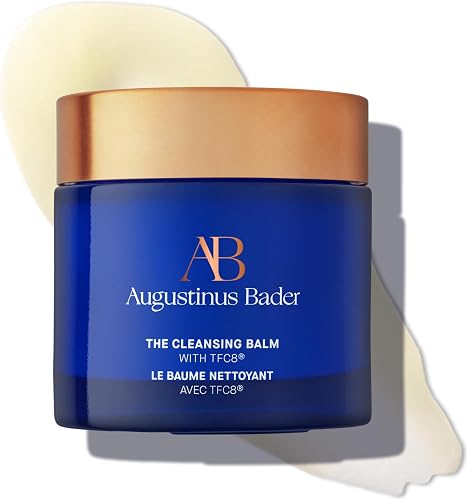
| Augustinus Bader The Cleansing Balm | Visibly exhausted, depleted skin | Buttery balm | Light botanical | 3.1 oz |
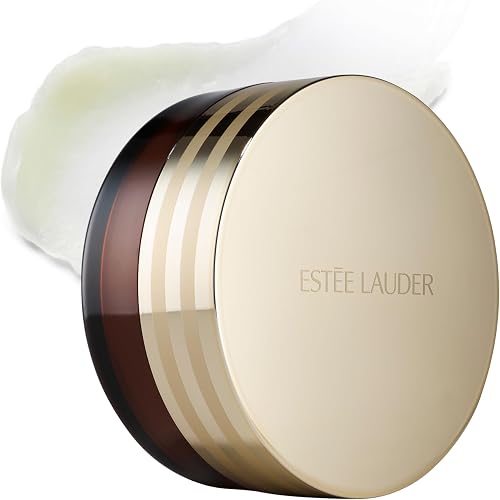
| Estée Lauder Advanced Night Cleansing Balm | Nighttime repair pairing | Lipid-rich balm | Light | 2.2 oz |
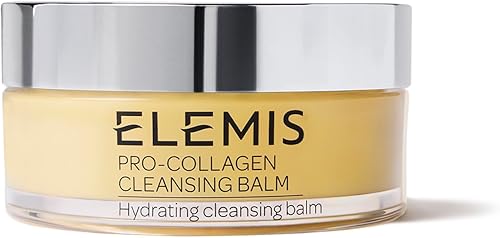
| ELEMIS Pro-Collagen Cleansing Balm | Mask-marked, congested skin | Waxy melt-to-oil | Aromatic (rose/eucalyptus) | 3.5 oz |
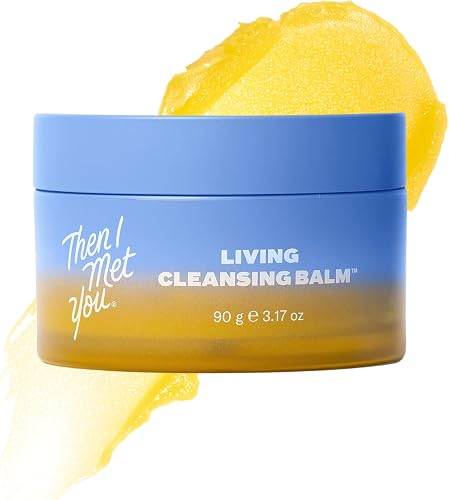
| Then I Met You Living Cleansing Balm | Sensitive, post-N95 cheeks | Slippy sorbet | Subtle citrus | 3.38 oz |
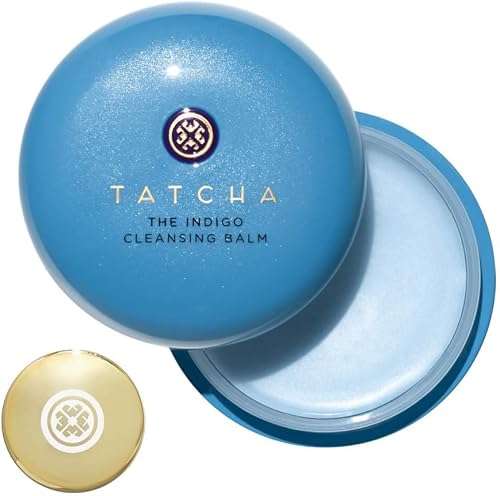
| TATCHA The Indigo Cleansing Balm | Inflamed, reactive skin | Soft buttery | Fragrance-free | 1.9 oz |
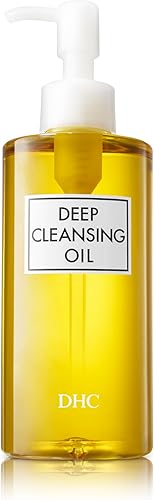
| DHC Deep Cleansing Oil | Speed cleansing before crash | Liquid oil | Fragrance-free | 6.7 fl oz |
Top picks for night shift nurses with tired skin
Augustinus Bader The Cleansing Balm — for the visibly depleted
If you finish a shift and look in the rearview mirror to find a face you barely recognize, this is the balm. The TFC8 complex Bader is known for shows up here in a melt-on-contact formula that pulls off makeup, sweat, and N95 friction marks while leaving a faintly nourished finish. It is one of the few balms that genuinely feels like it gives back to the skin while it cleanses — which matters when you are already at a lipid deficit. Layer Kiehl's Midnight Recovery Concentrate after this and you are stacking two heavyweights in barrier support. Check it on Amazon.
Estée Lauder Advanced Night Cleansing Balm — the obvious Midnight Recovery pairing
Engineered around the same nighttime-repair philosophy Kiehl's leans on, this lipid-rich balm-to-oil melts SPF and stubborn long-wear concealer (the kind you wore for a 14-hour shift) and rinses clean without leaving a film that would interfere with the Kiehl's oil layered after. The bottle is genuinely small at 2.2 fl oz, so consider it the nightstand option rather than the shower workhorse. View on Amazon.
ELEMIS Pro-Collagen Cleansing Balm — for mask-congested skin
Twelve hours behind an N95 traps sebum and creates the maskne ring around the lower face nurses know too well. ELEMIS Pro-Collagen is the most decongesting of the luxury balms here — the rose, eucalyptus, and starflower oil blend genuinely shifts blackhead congestion over a few weeks of consistent use. The aromatherapy element is also a soft cue that the shift is over: a sensory off-switch before sleep. Read more on how ELEMIS compares head-to-head with another classic in our ELEMIS vs Eve Lom breakdown. Check on Amazon.
Then I Met You Living Cleansing Balm — for sensitive, reactive cheeks
If your cheeks are inflamed and stinging from mask straps, you do not want anything aromatic dragged across them. Then I Met You's persimmon and olive ester formula stays slippy through the cleanse (no tugging) and rinses with zero residue — which is unusual for balms in this price tier. For nurses with sensitive or rosacea-prone skin, this is the gentlest of the luxury options here. See it on Amazon.
TATCHA The Indigo Cleansing Balm — fragrance-free luxury
TATCHA's Indigo line is built around indigo extract, traditionally used in Japanese skincare to calm reactive skin. The cleansing balm in this collection is fragrance-free, buttery, and rinses off completely — meaningful for nurses whose skin reacts to scented hand soap all shift and cannot tolerate one more aromatic product before bed. The 1.9 oz tub is small but a little goes a long way. View it on Amazon.
DHC Deep Cleansing Oil — the no-decision option for exhausted nights
Some mornings after a shift, you do not have the executive function to scoop balm out of a jar. DHC's pump-bottle olive-oil formula is the route of least resistance: pump, massage onto dry face, splash to emulsify, rinse. It is fragrance-free, has decades of dermatologist co-sign, and is priced like a drugstore product despite being a benchmark in the category. We dig deeper into how it stacks up against Kiehl's oils in our DHC vs Kiehl's Midnight Recovery comparison. See it on Amazon.
The exact post-shift routine
Here is the order of operations the Kiehl's Midnight Recovery oil night shift nurses tend to settle on after some trial and error:
- Pre-rinse hands. Sanitizer residue on your fingers will sting if it gets near your eyes during the cleanse. Wash hands first with a gentle soap.
- Cleansing balm on dry skin, 60 seconds. Massage in slow circles over the cheeks, jaw, and forehead. This is the only time of day you are giving your face direct attention — do not rush it.
- Emulsify with lukewarm water. The balm turns milky. Rinse fully.
- Second cleanse (optional). A gentle low-pH gel cleanser if you wore heavy makeup or SPF 50+. If not, skip it — over-cleansing is real.
- Hydrating toner or essence. Apply to damp skin to lock water in before the oil.
- 2–3 drops of Kiehl's Midnight Recovery Concentrate. Press into skin. Do not rub.
- Eye cream and a sleep mask or rich moisturizer over the top to seal everything in for your day-sleep.
For a deeper rundown on layering oils correctly, our team put together a guide to incorporating luxury oil cleansers into a night routine that covers second-cleanse decisions and pH order.
What to skip
A few things night-shift nurses commonly waste money on:
- Foaming cleansers as a second step. Most are too stripping for already-dehydrated post-shift skin. A non-foaming, low-pH gel is enough.
- Strong actives the same day. Retinol or strong acids on a day you have slept four broken hours will look worse, not better. Save them for your stretch of nights off.
- Anything fragranced near the eyes. Twelve hours of strain plus a fragranced balm equals stinging. Stick to fragrance-free options like TATCHA Indigo or DHC if your eyes are sensitive.
If you want a broader survey of the format, see our roundup of the best luxury cleansing balms of 2026.
Frequently Asked Questions
Is Kiehl's Midnight Recovery Concentrate actually an oil, and can I use it after a balm cleanser?
Yes. Midnight Recovery Concentrate is a botanical facial oil built around squalane, evening primrose, and lavender essential oil. It is designed to be the last or near-last step in a nighttime routine, so applying it after a balm cleanser, toner, and any water-based serum is exactly how it is meant to be used. Two to three drops is enough for the full face.
How often should night shift nurses double cleanse?
Double cleanse on days you wore SPF, makeup, or worked a full mask-wearing shift — so most workdays. On a day off when you have not worn any of the above, a single balm or oil cleanse (or even just a gentle water-based cleanser) is plenty. Over-cleansing dehydrated skin tips it further out of balance.
Will a cleansing balm clog pores under an N95?
Not if you rinse it fully. Residue is the issue — a properly emulsified balm should leave no oily film. If you find your balm leaves a slick coat, it is either under-emulsified (add more water during the cleanse) or formulated heavy. Then I Met You, TATCHA Indigo, and DHC all rinse exceptionally clean. For a deeper troubleshoot, our piece on removing cleansing balm residue walks through the fix.
Can I use the Kiehl's Midnight Recovery oil before a shift instead of after?
The Kiehl's Midnight Recovery oil night shift nurses use is designed for the leave-on overnight repair window, so it is most effective applied just before your longest sleep block — which for a night shift is your post-shift day-sleep, not before clocking in. Wearing it under an N95 also risks transferring product onto the mask and breaking the seal.
Is there a more affordable alternative to Augustinus Bader for tired nurse skin?
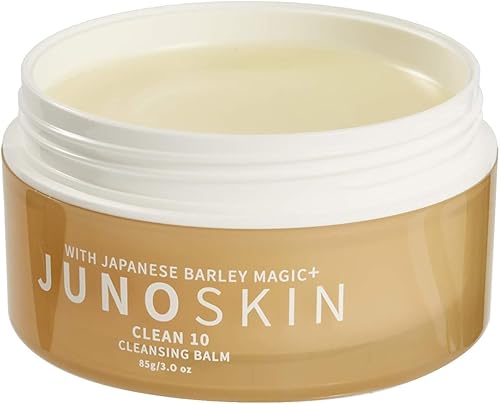
ELEMIS Pro-Collagen Cleansing Balm and Then I Met You Living Cleansing Balm both deliver luxury-tier performance at roughly a third of the price of Bader. For an even lower price point that still rinses cleanly and removes long-wear makeup, the JUNO & Co. Clean 10 is a credible budget pick. Check JUNO & Co. on Amazon.
What about cleansing oil instead of a balm for night shift workers?
Oils are faster, which is the whole argument for them when you are post-shift exhausted. DHC Deep Cleansing Oil is the most reliable in the category — pump, massage, emulsify, rinse, done in under two minutes. If you only have the energy for a one-step face wash before crashing, an oil beats a balm every time.
Does dehydrated skin mean I should skip the oil and use a water-based cleanser instead?
No — dehydration is a water issue, not an oil issue, and oil cleansers do not strip skin the way foaming surfactant cleansers can. The right move for dehydrated nurse skin is to keep the oil cleanser (it preserves the barrier) and add a hydrating toner or essence between cleanser and Kiehl's Midnight Recovery oil to replace lost water.
Final word
The Kiehl's Midnight Recovery oil night shift nurses lean on does real work — but it cannot rescue skin from a stripping cleanser or makeup left on overnight. Pair it with one of the luxury balms above (Augustinus Bader if budget allows, ELEMIS or Then I Met You as workhorse picks, TATCHA Indigo for sensitive skin) or a fast pump-bottle oil like DHC for the bleary mornings. The cleanse is the unglamorous half of the routine that decides whether the serum actually delivers.
Key Takeaways
- Choosing the right Kiehl's Midnight Recovery oil night shift nurses means matching capacity and output ports to your actual devices
- Always check actual watt-hours (Wh), not just watts — runtime depends on Wh, not peak output
- Also covers: Kiehl's Midnight Recovery shift workers
- Also covers: Midnight Recovery oil sleep deprived skin
- Also covers: Kiehl's botanical oil for nurses
- Compare price-per-Wh across models to find the best value for your budget