If you've been searching for whether the Clinique Take The Day Off balm for eyelid dermatitis sensitive eyes is the right pick, the short answer is: it can work for many people, but it isn't a universal safe choice. The original Clinique Take The Day Off Cleansing Balm is fragrance-free, ophthalmologist-tested, and avoids common irritants like denatured alcohol, which is why so many dermatologists suggest it. Still, the Clinique Take The Day Off eyelid dermatitis question really depends on your personal triggers — esters, plant oils, or preservatives can each flare delicate lids — so we'll compare it side-by-side with calmer alternatives below.
Why eyelid skin reacts so easily to cleansing balms
The skin on your eyelids is roughly four times thinner than the skin on your cheeks, with a weaker stratum corneum, fewer sebaceous glands, and very little subcutaneous fat. That means anything you wipe across it — including makeup removers — can penetrate faster and trigger a reaction. The most common culprits for cleansing-balm-induced eyelid dermatitis aren't dramatic chemicals; they're things that read as "gentle" on the front of the jar: essential oils, fragrance (even "natural fragrance"), limonene, linalool, certain plant butters, sodium lauryl sulfate carryover, and preservatives like methylisothiazolinone (MI) and methylchloroisothiazolinone (MCI).
If you have a flare-up of red, scaly, itchy lids, the dermatologist playbook is usually:
- Stop every leave-on eye product immediately
- Patch-test any new cleanser on the inner forearm or behind the ear for five to seven days
- Choose a fragrance-free, dye-free, essential-oil-free formula
- Rinse thoroughly with lukewarm (not hot) water and pat — never rub
Is Clinique Take The Day Off actually safe for eyelid dermatitis?
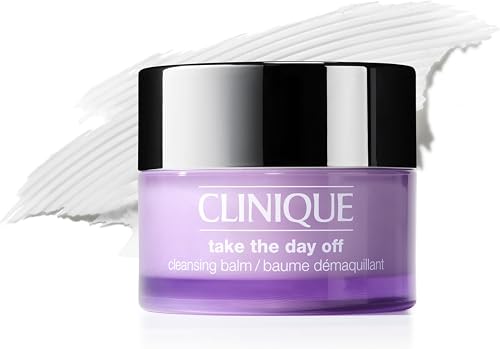
Clinique's Take The Day Off Cleansing Balm is positioned as a balm for sensitive skin and sensitive eyes. The formula is fragrance-free, paraben-free, phthalate-free, and ophthalmologist-tested — credentials that make it a perennial dermatologist recommendation. The base is a blend of synthetic esters (largely C12-15 alkyl benzoate and isohexadecane) rather than triglyceride oils, which means there's no olive, coconut, sunflower, or essential oil to react to. For many sufferers of mild contact dermatitis or atopic eyelid eczema, that synthetic-ester base is calmer than a "100% natural" balm.
The bottom line on most Clinique Take The Day Off eyelid dermatitis cases is this: no single product clears every reaction. People with reactive lids sometimes still flare from the small amount of phenoxyethanol or from rubbing leftover residue rather than rinsing it off. If you're in an active flare, you may want a ceramide-rich barrier-repair balm (like CeraVe) or an oat-extract balm (like INKEY List) for a couple of weeks, then return to Clinique once the skin is calm.
Side-by-side: gentle cleansing balms for irritated eyelids
| Product | Fragrance-Free | Key Soothing Ingredient | Best For |
|---|---|---|---|
| Clinique Take The Day Off | Yes | Synthetic ester base | Maintenance use, sensitive eyes |
| CeraVe Cleansing Balm | Yes | Ceramides + jojoba | Active barrier repair |
| Farmacy Sensitive Skin | Yes | Centella, papaya | Reactive, redness-prone skin |
| The INKEY List Oat | Yes | Colloidal oat | Itchy, eczema-prone lids |
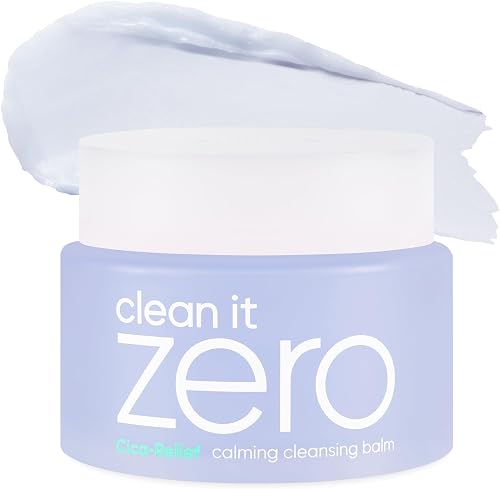
| BANILA CO Clean it Zero Calming | Low | Centella, madecassoside | Post-flare calming |
Our top picks for eyelid-friendly cleansing balms in 2026
1. Clinique Take The Day Off Cleansing Balm
This is the balm that started the "safe for sensitive eyes" conversation, and it remains the benchmark we measure all others against. The texture melts on contact, dissolves waterproof mascara without requiring a back-and-forth scrub, and rinses clean without leaving the slippery film that triggers many lid reactions. Because the base is built on synthetic esters rather than triglyceride oils, there is nothing botanical to react to — no chamomile, no rosehip, no lavender. It's the pragmatic choice for someone who suspects an essential-oil sensitivity. Patch test on the inner wrist before going anywhere near the lash line, but in our experience this balm is tolerated by a high percentage of contact-dermatitis sufferers.
Check the latest price on Amazon
2. CeraVe Cleansing Balm with Ceramides
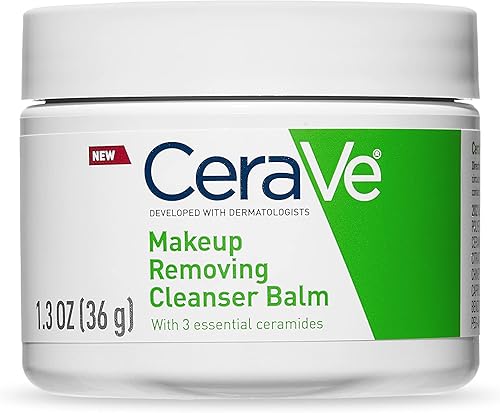
If your eyelid dermatitis is barrier-related — picture cracked, peeling, stinging lids — CeraVe's balm is the one we reach for first. It's fragrance-free, non-comedogenic, and built around the brand's signature ceramide trio (1, 3, and 6-II) plus plant-based jojoba oil. The texture is firmer than Clinique's, so warm it between your fingers before applying. Because the formula doesn't include any botanical extracts or essential oils, it's an excellent "rescue" cleanser for the two weeks following a flare. We particularly like it for users coming off prescription tacrolimus or pimecrolimus who need a cleanser that won't disturb the barrier they're rebuilding.
Check the latest price on Amazon
3. Farmacy Sensitive Skin Cleansing Balm (Fragrance-Free)
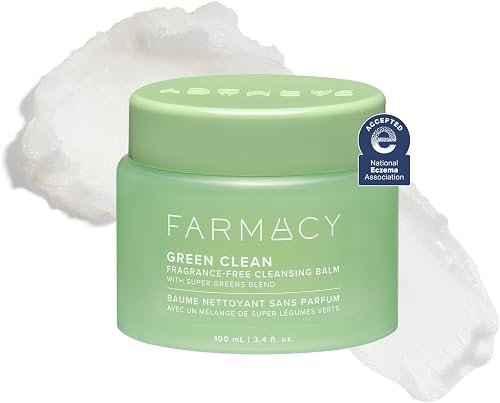
Farmacy's original "Green Clean" balm contains papaya enzyme and an herbal blend that some sensitive users find too active for daily use. The fragrance-free Sensitive Skin version strips that complexity back, retaining the centella and papaya at calming concentrations and removing the essential-oil scent entirely. It's a beautiful in-between option for someone who wants more skincare benefit than CeraVe offers without the risk of a botanical reaction. Texture is balm-to-oil — it never goes fully fluid, which makes it easier to control around the eye area without dripping into the eye itself.
Check the latest price on Amazon
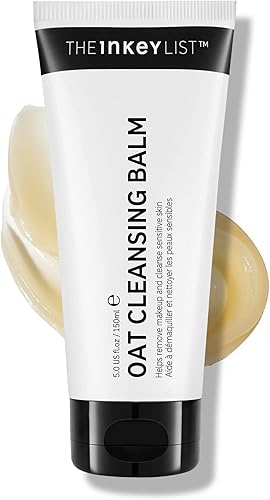
4. The INKEY List Oat Cleansing Balm
Colloidal oat is one of the few ingredients with solid clinical data behind it for itching and atopic dermatitis — it's the active in many prescription-strength eczema washes. INKEY List's Oat Cleansing Balm builds the rest of the formula around that hero, with squalane and oat oil contributing additional barrier lipids. It's a budget-friendly pick that consistently outperforms its price point, and the rich balm-to-milk transition makes it easy to massage gently rather than tug. If your eyelid dermatitis is itch-dominant, start here.
Check the latest price on Amazon
5. BANILA CO Clean it Zero Calming
The calming variant of the famous Korean Clean it Zero swaps the original's brisk citrus profile for centella asiatica and madecassoside — two ingredients pulled directly from the post-procedure skincare playbook. It's a sorbet-style balm that liquefies quickly with body heat. Of the picks here, this is the most "treatment-feeling," which makes it a great post-flare choice when your skin is calm but not yet bulletproof. Note: it does contain a very low level of fragrance, so if you have a confirmed fragrance allergy, prefer one of the options above. Otherwise, it's a luxurious daily option.
Check the latest price on Amazon
How to use a cleansing balm if your eyelids are reactive
Even a perfect formula can flare your lids if your technique is wrong. The two most common mistakes we see in reactive users are using too-hot water (which destabilizes the lipid barrier and worsens itch within hours) and leaving residue on the lashline (which acts like an occlusive irritant trap overnight). Use lukewarm water, emulsify the balm thoroughly with wet hands until it turns milky, and rinse for longer than feels necessary — at least 30 seconds. For an in-depth walkthrough of getting balm fully off the skin without irritation, see our guide on how to remove cleansing balm residue. And if you're still building a routine around oil-based cleansers, our complete guide to using oil cleansers covers double-cleansing protocols designed for sensitive complexions.
Choosing based on flare stage
It helps to think of eyelid dermatitis in three phases. During an active flare, the goal is to do as little as possible — skip eye makeup entirely, use a saline-soaked cotton pad to lift mascara if you must, and reach for CeraVe or INKEY List for face cleansing. In recovery, when redness is fading but skin still feels tight, layer in a Farmacy Sensitive Skin or BANILA CO Calming balm. In maintenance, when lids are stable, you can return to Clinique Take The Day Off or rotate among any of the picks. Matching the product to the phase matters more than picking a single "best" balm. Our deep dive on top cleansing oils for sensitive skin in 2026 includes additional rotation strategies.
If you're not sure whether your skin reads more "sensitive" or "barrier-impaired," our framework for choosing a luxury cleansing balm by skin type walks through how to self-assess in under five minutes.
Frequently Asked Questions
Is Clinique Take The Day Off Balm safe for use around the eyes if I have eyelid dermatitis?
For most people with mild or maintenance-phase symptoms, yes — it's fragrance-free, ophthalmologist-tested, and avoids essential oils, which is exactly the profile dermatologists recommend for Clinique Take The Day Off eyelid dermatitis use. During an active flare, however, pause it and switch to a ceramide- or oat-based balm until the skin calms. Always patch-test first by applying a pea-sized amount behind the ear or on the inner forearm for five consecutive nights before bringing it near the eye area.
Can the Clinique balm cause contact dermatitis on its own?
It can, although the incidence is lower than with fragranced or essential-oil-rich balms. The most commonly reported triggers in the Clinique formula are phenoxyethanol (a mild preservative) and the synthetic ester C12-15 alkyl benzoate. If you've reacted to either ingredient before, choose CeraVe or INKEY List instead — both use a different preservative system and a different lipid base.
What ingredients should I avoid in a cleansing balm if I have sensitive eyes?
Avoid fragrance (listed as "parfum," "fragrance," or by named essential oils such as lavender, rose, or eucalyptus), MI/MCI preservatives, formaldehyde-releasers like DMDM hydantoin, and dyes. Also be cautious of high-concentration vitamin C, retinol, or strong AHA exfoliants in a balm — those are sometimes positioned as "anti-aging cleansing balms," but they're not appropriate for an inflamed eyelid.
Should I double cleanse if I have eyelid dermatitis?
Usually no, or only with a very gentle second step. Standard double cleansing involves a foaming surfactant after the balm, and most surfactants — even gentle ones — can prolong an eyelid flare. If the balm rinses cleanly (Clinique, CeraVe, and INKEY List all do), one cleanse is enough. If you wear heavy waterproof mascara, follow the balm with a damp microfibre cloth rather than a foaming wash.
How long should I patch-test a new cleansing balm before using it on my eyelids?
Five to seven days. Apply a small amount to the inner forearm or behind the ear nightly. Contact dermatitis often presents on a delay — Type IV hypersensitivity reactions can take 48 to 72 hours to appear — so a single-night patch test isn't enough. Only after a full week without reaction should you bring the product near the lash line, and even then, start with a tiny amount.
Is Clinique Take The Day Off the same as Take The Day Off Makeup Remover for Lids, Lashes & Lips?
No — those are two different products. The bi-phase liquid (Lids, Lashes & Lips) is designed specifically for eye-area makeup removal with a cotton pad, while the cleansing balm is a full-face product. Many dermatologists suggest the balm for the face and the bi-phase liquid for stubborn waterproof eye makeup. Both share Clinique's fragrance-free, ophthalmologist-tested positioning.
What if my eyelid dermatitis doesn't improve after switching cleansing balms?
If you've patch-tested, switched to a fragrance-free balm, and reduced rubbing for three weeks without improvement, see a dermatologist. Persistent eyelid dermatitis is sometimes driven by something other than your cleanser — eye drops, nail polish (touching the lid), shampoo runoff, airborne allergens, or even nickel jewelry. A patch-test panel from a dermatologist can identify the culprit faster than guesswork.
Key Takeaways
- Choosing the right Clinique Take The Day Off eyelid dermatitis means matching capacity and output ports to your actual devices
- Always check actual watt-hours (Wh), not just watts — runtime depends on Wh, not peak output
- Also covers: Clinique balm fragrance free eyelids
- Also covers: Take The Day Off sensitive eye area
- Also covers: Clinique balm periorbital dermatitis
- Compare price-per-Wh across models to find the best value for your budget